
Leak Detection and Repair (LDAR) is a systematic process to detect and fix emissions of volatile organic compounds (VOCs) and hazardous air pollutants, mandated under:
EU Regulation 2024/1787 – Effective from 13 June 2024
Key Highlights:
Applies to:
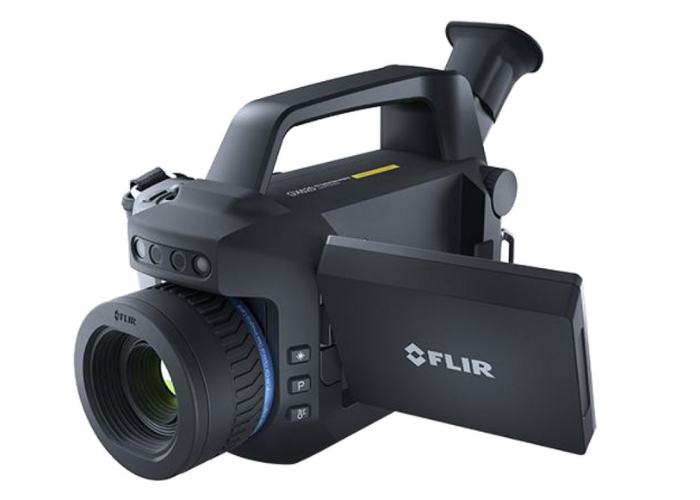
We deploy cutting-edge FLIR Gx620 OGI Cameras for high-accuracy gas leak detection quantitative and qualitative measurements.
Features Include:
These systems ensure compliance with the most stringent emission control regulations.
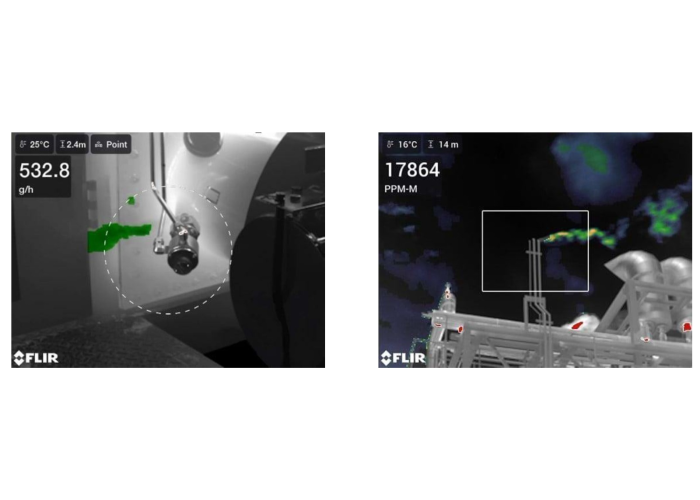
Aries Energy’s LDAR surveys use FLIR Gx620 optical gas imaging cameras capable of detecting leaks as small as 0.4 g/hr, with thermal accuracy of ±1°C across a 0°C to +100°C range and an operating range of -20°C to +350°C. This sensitivity allows detection of methane, hydrocarbons, ethylene, and propane leaks well below the regulatory reporting thresholds set under EU Regulation 2024/1787, which range from 1 g/hr to 17 g/hr depending on survey type and location.
Type 1 surveys, required at processing and high-emission sites, must be conducted at least once every 12 months and must cover all accessible components. Type 2 surveys, applicable to production and lower-risk sites, are required at least once every 36 months, with 25% of components inspected on a rotating basis each year so the full asset is covered within the cycle. Aries Energy structures its LDAR programs around these mandated frequencies.
Thresholds vary by survey type and equipment location. Type 1 surveys trigger repair at 7,000 ppmv methane or 17 g/hr. Type 2 surveys trigger repair at 500 ppmv or 1 g/hr for aboveground and offshore-above-sea equipment, 1,000 ppmv or 5 g/hr for underground equipment on the second inspection step, and 7,000 ppmv or 17 g/hr for offshore equipment below sea level. Once a leak crosses these limits, repair must begin within 5 days and be completed within 30 days.
The first compliance survey deadline under EU Regulation 2024/1787 is 5 August 2025. The regulation itself became effective on 13 June 2024, and covered operators — including oil & gas production and processing facilities, transmission and distribution networks, LNG facilities, and underground storage sites — must have completed their initial LDAR survey by that date to establish their baseline inspection and repair cycle.
