
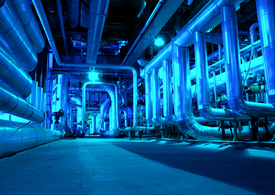
Aries piping design department offers concept designs, FEED, basic design, detail engineering, conversion and retrofit engineering services for the marine, oil & gas, and offshore industries. Our engineers have expertise in related activities such as review of design criteria, review of contractor design documents and drawings, and project coordination.
Our basic design capability includes preparation of system schematic drawings which conform and integrate seamlessly with vendor drawings. The schematics are prepared by an in-house pool of experienced marine engineers, system engineers and control and instrumentation engineers to suit classification society rules, international standards and regulatory requirements.
Yes. Aries’ piping engineering scope includes design criteria review and evaluation of contractor design documents and drawings, alongside project coordination across disciplines. This is typically used by operators and EPC contractors who need an independent technical check on a third-party piping package before it proceeds to fabrication or construction, ensuring the design meets classification society rules and applicable international standards.
Aries performs pressure loss and line sizing calculations, surge analysis, and stress analysis as part of piping engineering. These are combined with clash detection/checking and equipment capacity modeling during 3D model reviews. The calculations support pipe routing, material specification, and pipe support design, and feed into deliverables such as isometric drawings and material takeoffs.
Deliverables include Process Flow Diagrams, Piping & Instrumentation Diagrams (P&IDs), general arrangement drawings, isometric drawings, as-built documentation, and site survey/tie-in sketches. These are developed alongside piping material specifications and pipe support material takeoffs, and are coordinated through 3D model setup and multi-discipline model reviews.
Yes. Fire-fighting and deluge system design is included within Aries’ piping engineering deliverables, alongside piping material specifications and pipe routing optimization. This is typically scoped together with process piping design so that fire protection piping is coordinated with the main piping layout, pipe supports, and equipment arrangement rather than engineered in isolation.
